
Blog
Tips and guides about Tutors
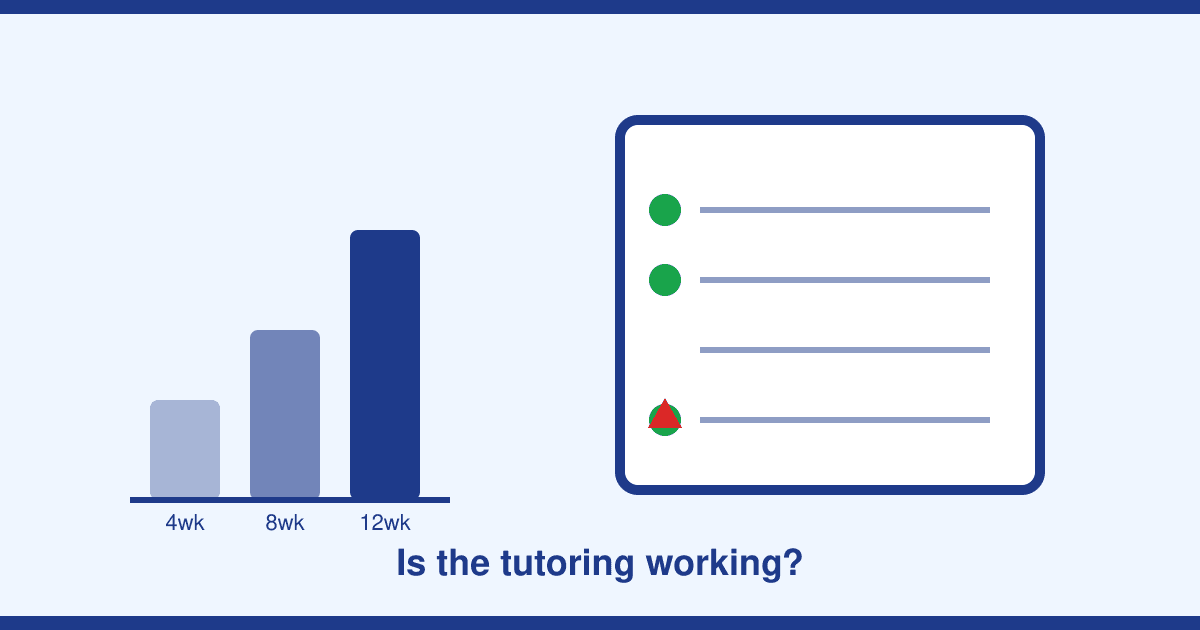
A practical guide to what realistic tutoring progress looks like at four, eight and twelve weeks, how to get a progress report worth reading, the warning signs that a tutoring relationship has drifted off track, and how to switch tutors without losing momentum.
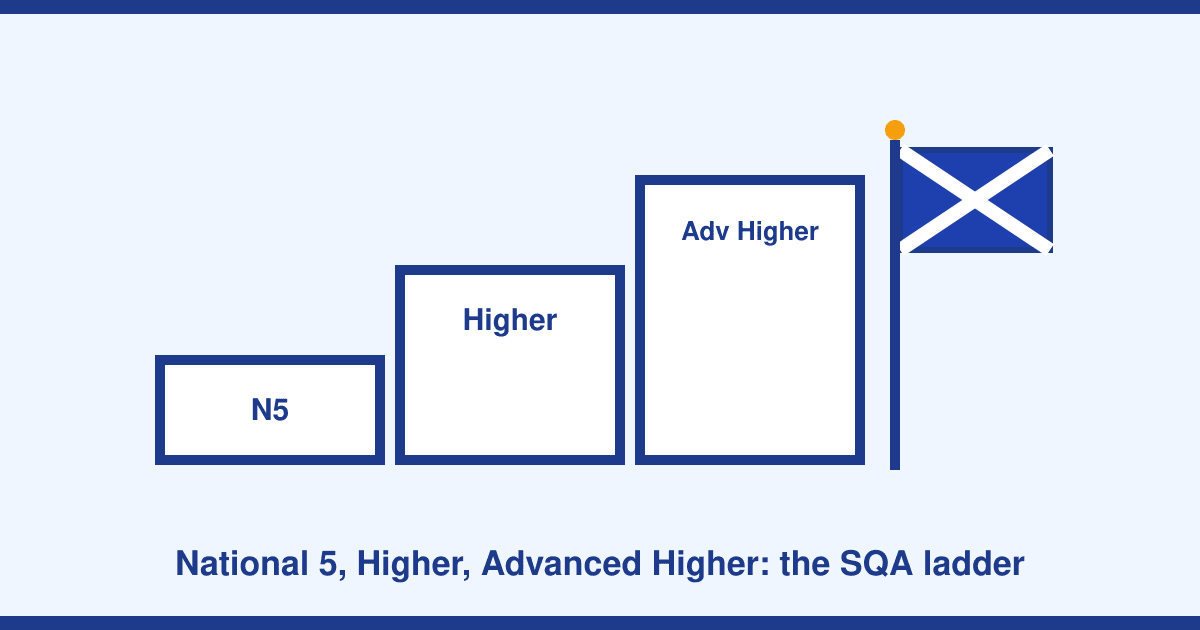
Scotland runs its own qualification ladder through the SQA, not GCSEs and A-levels. This guide explains National 5, Higher and Advanced Higher, the S4 to S6 sequence, prelims, exam and results timing, and the point in the school year where tutoring tends to make the most difference.
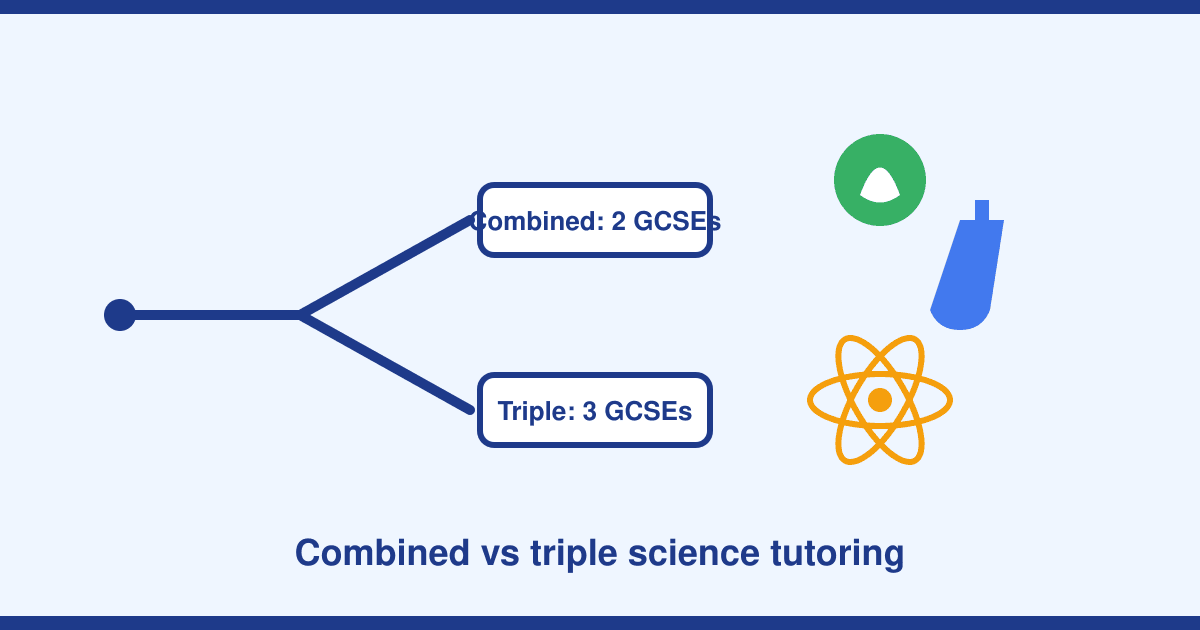
GCSE science splits into two routes, Combined and Triple, and the choice shapes how much tutoring is needed and where it should focus. This guide explains both routes, required practicals, the maths hidden inside science exams, and how to plan tutoring for each.
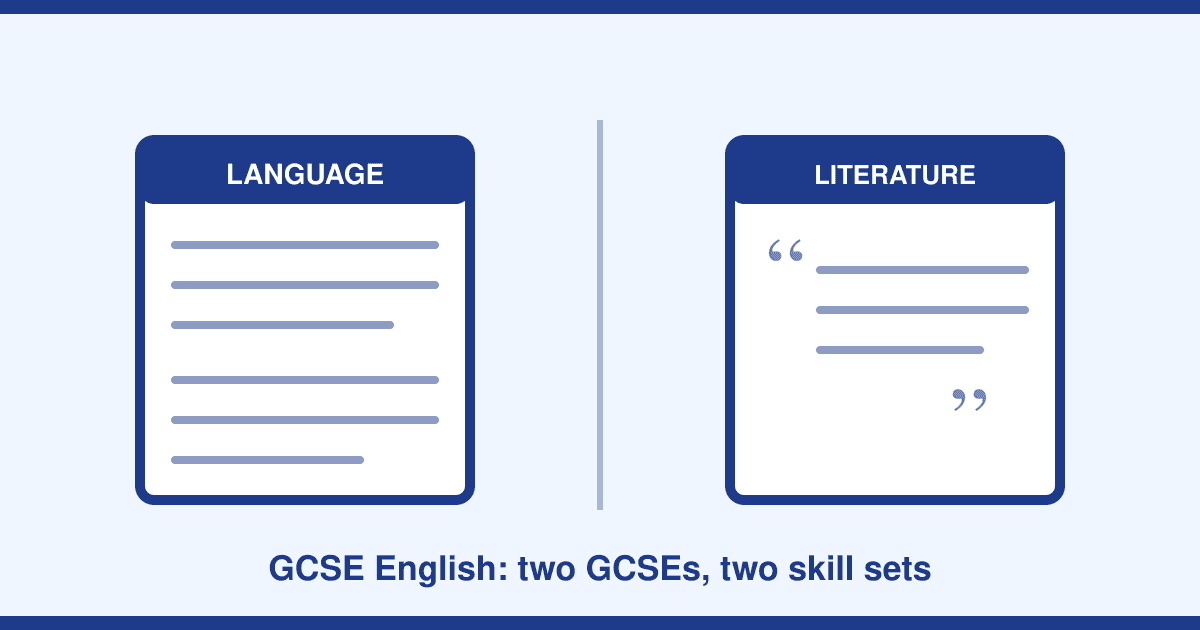
English Language and English Literature are two separate GCSEs marked to different criteria. This guide sets out what each paper generally asks for, why fluent readers can still lose marks, what a tutor does differently for each subject, and how to choose one.
Tutoring works differently for a child with special educational needs. This guide explains the SEND Code of Practice, EHC plans, the school SENCO’s role, what to ask a tutor about their approach to dyslexia, ADHD and autism, JCQ exam access arrangements, and signs a tutor is not the right fit.
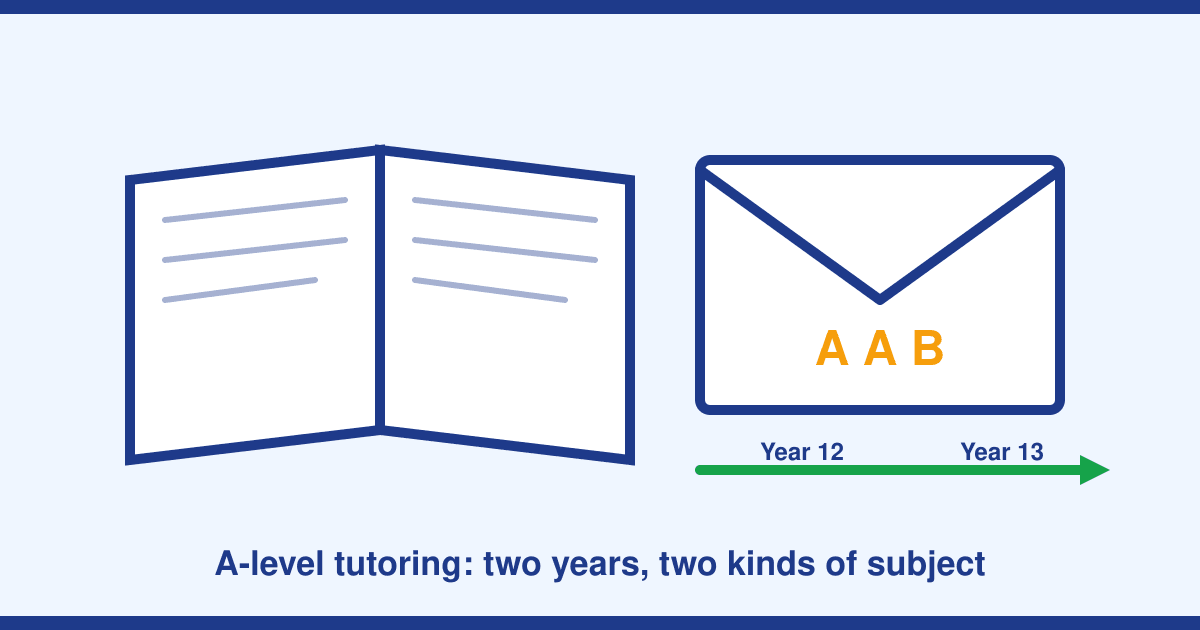
A-level study asks for more depth and far more independent work than GCSE, across a two-year course that ends with results in mid-August and UCAS offers made in grades. This guide sets out the timeline, how tutoring differs between maths and science subjects and essay subjects, and what to check before hiring a tutor.
Video lessons and shared whiteboards work differently to a tutor sitting at the kitchen table. This guide compares how each format runs in practice, which ages and subjects tend to suit which one, and what to check before choosing, across subjects and age groups.
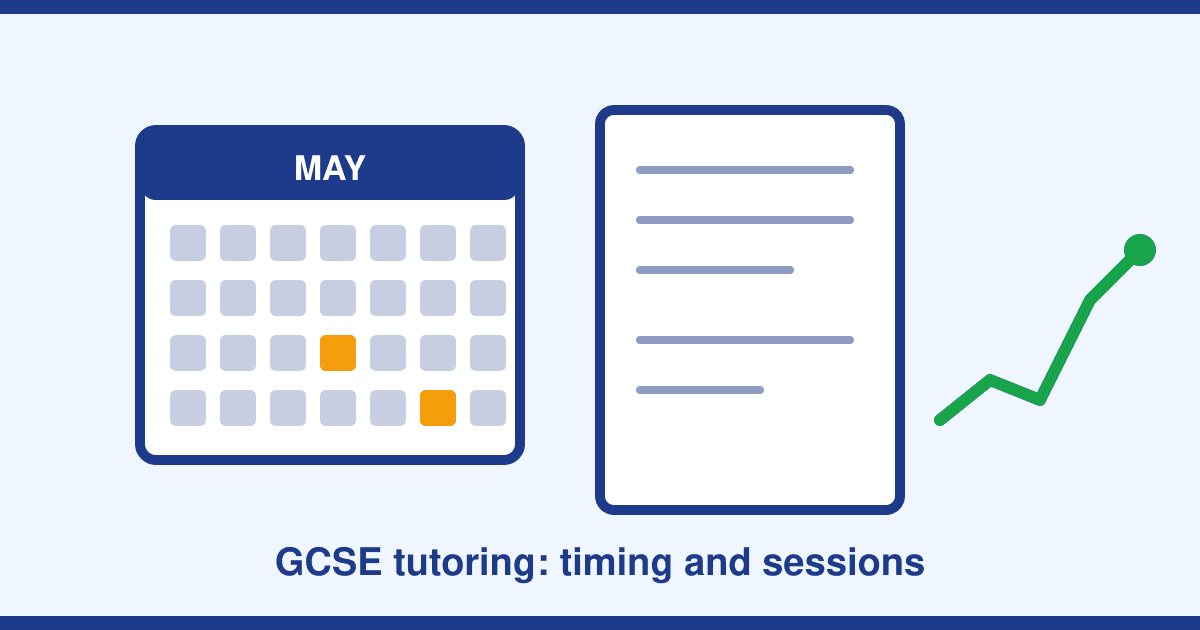
Most GCSE tutoring is booked too late and then rushed. This guide sets out a realistic timeline from Year 10 to results day, how many sessions tend to make a measurable difference, what a tutor actually does in the last twelve weeks before the exams, and the signs that a child needs a tutor rather than more revision time.
GCSE maths tuition averages £25–£50 an hour, while A-Level specialists command £60–£75 online — because demand massively outstrips supply. The rate table by level and experience, why online runs 10–25% cheaper, and the five questions that separate teachers from answer-readers.
What the Education Endowment Foundation's evidence shows about tutoring and attainment, and the condition that determines whether it actually helps.
A practical checklist of what to ask a prospective tutor, why exam board fit genuinely matters for GCSE and A-level, and the safeguarding basics worth confirming.

The realistic 11-plus preparation timeline from Year 3 through to the exam in Year 6, and why the summer before Year 6 matters so much.
How tuition centres and one-to-one private tutors actually differ on cost, attention, structure and flexibility, and which suits which kind of learner.
Whether private tutors are legally required to have a DBS check in the UK, what an enhanced DBS actually covers, and what to reasonably expect before hiring.
Typical UK private tutoring rates in 2026 for primary, GCSE and A-level, and how online, subject and location shift the price.