Online vs In-Person Tutoring: Which Format Suits Your Child Best
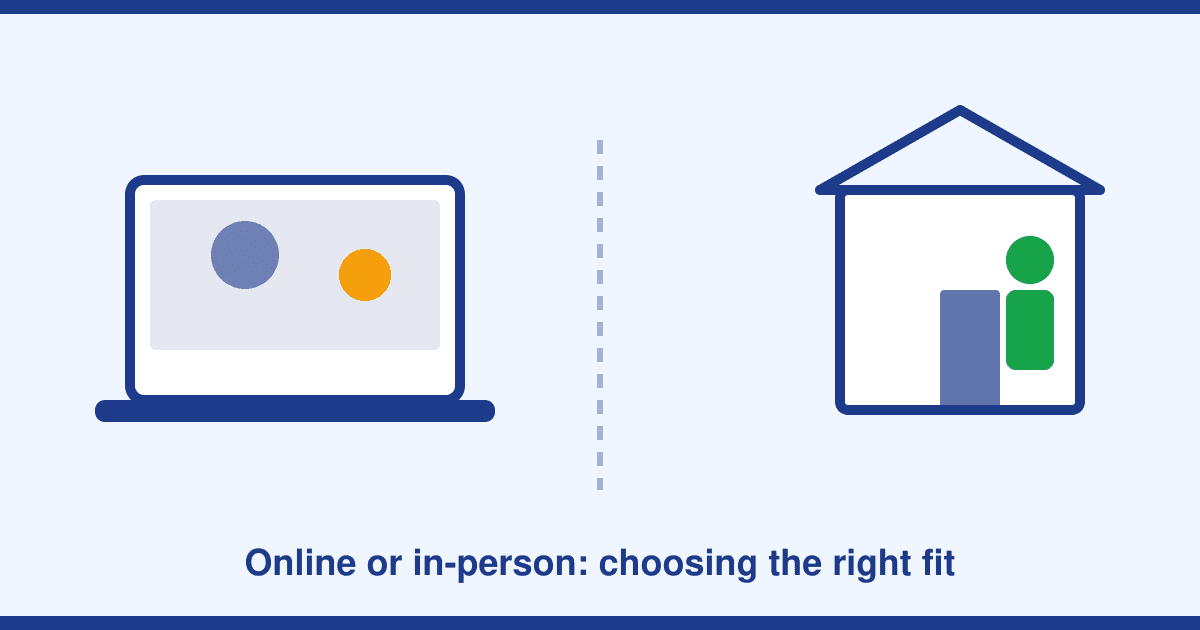
Choosing between an online tutor and one who comes to the house, or one the family travels to see, is rarely about which format is better in the abstract. It is about which one fits a particular child, a particular subject and a particular household. Both formats are now well established in the UK tutoring market, and most tutors who work online also work in person for at least some pupils, so the decision is usually about circumstances rather than about the tutor's ability.
In short: online and in-person tutoring produce similar outcomes for most secondary-age pupils in most subjects. The format matters more at younger ages, where attention span and physical engagement favour being in the room, and for practical or hands-on subjects. Beyond that, the choice usually comes down to logistics, the tutor pool available for a specific subject, and what a family wants to see or supervise directly.
How each format actually works
An online lesson typically runs over video call software, with a shared, interactive whiteboard that both tutor and pupil can write and draw on at the same time, alongside screen-sharing for past papers or textbook pages. Homework is usually set and returned through a portal, email or messaging app rather than handed over on paper, and some tutors record sessions so a pupil can rewatch a worked explanation later.
In-person tutoring takes one of two forms: the family travels to the tutor, either at their home or at a tuition centre, or the tutor travels to the family home. Both put tutor and pupil physically in the same room with the same page, book or set of materials, and both usually involve a parent or guardian being in the house, if not in the room, for the duration of the session.
Which ages and subjects tend to suit which format
Younger children generally do better in person. A primary-age pupil learning phonics or early number work benefits from a tutor who can point directly at a letter or move physical counters around, and from the shorter, more structured routine of being somewhere specifically for the lesson. From upper secondary age onward, most pupils manage online sessions comfortably, and by sixth form the difference between the two formats is small for most subjects.
Subject matters as much as age. Practical and hands-on subjects sit more naturally in person: art, design and technology, instrumental music and laboratory-based science all involve physical materials or techniques that a screen represents only partially. Subjects built around explanation and worked examples, such as most academic subjects taught to secondary and sixth-form pupils, translate well to a shared whiteboard. Spoken language practice works well online too, partly because it widens the pool of native or specialist speakers available to a family beyond their own area.
| Situation | Format that tends to work well |
|---|---|
| Primary-age pupil, phonics or early number work | In person |
| Practical subjects: art, DT, instrumental music, lab science | In person |
| Secondary or sixth-form pupil, most academic subjects | Either, tutor quality matters more than format |
| Language conversation practice, or a specialist subject with few local tutors | Online |
| Pupil who benefits from a parent overhearing the session | In person, or online with a parent nearby |
| Family wants to review a lesson afterwards | Online, if the tutor records sessions |
| Tight weekday schedule with no time for travel | Online |
Attention span and practical constraints
A young child's attention for a screen-based activity is shorter than for a face-to-face one, and screen fatigue toward the end of a school day is a real constraint for online lessons booked straight after school finishes. Households considering online tutoring for a younger child are usually better placed scheduling sessions earlier in the evening, with breaks built in, in line with general guidance on children's screen time from bodies such as the NHS.
In-person tutoring carries its own practical costs: travel time, either the family's or the tutor's, and a smaller effective pool of tutors within a reasonable distance, particularly for less common subjects. Online tutoring removes the travel constraint entirely, which is one reason it has become the default choice for subjects where local specialists are scarce, and for families in rural areas.
Reliable technology matters more for online sessions than families sometimes expect. A stable internet connection, a quiet room, and a device with a working camera and microphone are basic requirements, and a family without a suitable space or connection will get more consistent value from in-person lessons.
Safeguarding: what differs between the formats
DBS checks apply to tutors regardless of format, and asking about one is covered in our article on DBS checks. Beyond that baseline, the two formats differ in how supervision works in practice.
- In-person at home: a parent or guardian is typically in the house for the session, and can check in on the room directly. Some families ask the tutor to work in a shared space such as the kitchen rather than a bedroom.
- In-person at a tuition centre: sessions run on staffed premises with other adults and pupils present, which some families prefer for a first tutor before considering one-to-one arrangements at home.
- Online: a parent can sit in on the call or listen from another room without disrupting the lesson, and a reputable tutor will be open to that. Session recording, where offered, gives a further record that in-person tutoring does not.
- Platform and conduct: a tutor who uses a recognised video platform, keeps the camera on for the whole session and has a stated policy on recording is generally following good practice for online safeguarding.
For a child with additional needs, the SEND Code of Practice sets out how support is planned, and a pupil with an Education, Health and Care plan may have needs, such as movement breaks or hands-on resources, that point toward in-person tutoring, or toward an online tutor who is specifically experienced in adapting to them. Where a pupil has exam access arrangements agreed through JCQ, such as extra time, a reader or a scribe, it is worth telling the tutor so that practice sessions can be run under the same conditions the pupil will actually sit the exam in.
What to check about a tutor's online setup
Before booking an online tutor, it is reasonable to ask:
- Which video and whiteboard platform is used, and whether it needs any software installing in advance
- Whether sessions are recorded, who can access the recording, and how long it is kept
- How homework and worked examples are shared and returned between sessions
- What happens if the connection drops mid-session, and whether time is made up
- How progress is reported to parents, and how often
These sit alongside the general questions covered in our guide to questions to ask before hiring a tutor, which apply to both formats: subject specialism, experience with the relevant course, and a current DBS check.
Matching the format to the family
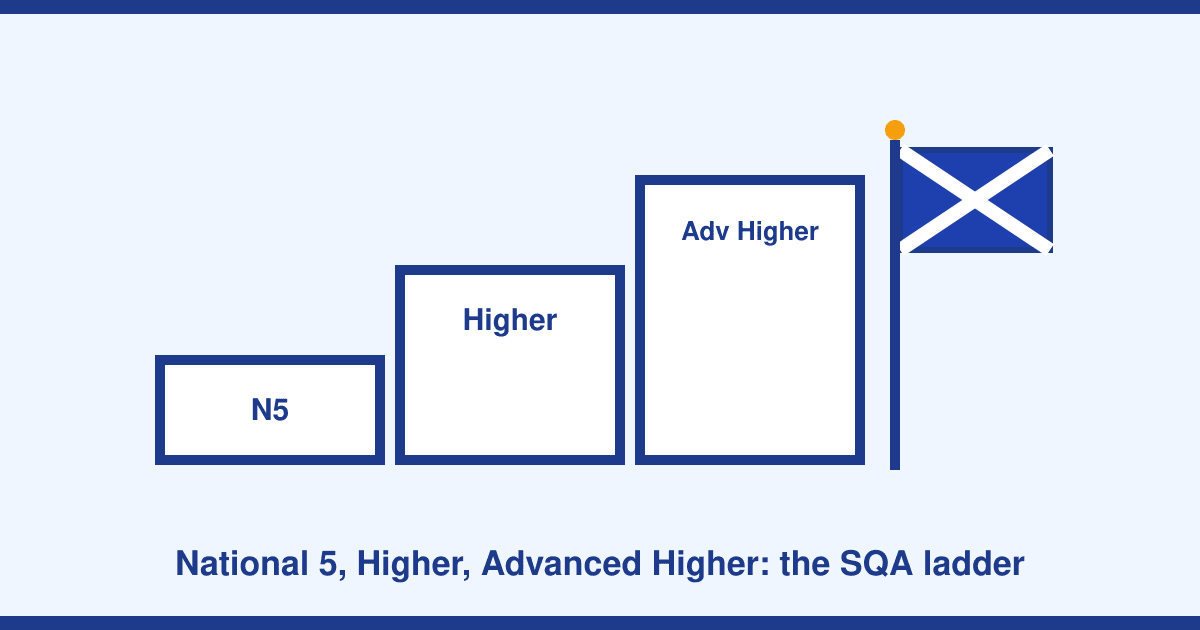
Neither format is a compromise. A well-matched online tutor for a confident sixteen-year-old preparing for exams, or a well-matched in-person tutor for a seven-year-old building reading fluency, both do the job well because the format suits the pupil, not because one format is inherently stronger. Families choosing between the two are usually best served by starting from the child's age, the subject, and what is practical for the household, then judging individual tutors on the same criteria either way: qualifications, experience, communication and, for exam subjects, familiarity with the relevant exam board or, in Scotland, the SQA's National 5, Higher and Advanced Higher courses. Cost differences between the formats are usually smaller than families expect; our article on tutoring costs sets out what tends to drive price more than format does.
Sources: Education Endowment Foundation, Teaching and Learning Toolkit; Department for Education, safeguarding guidance for education settings; SEND Code of Practice; Joint Council for Qualifications, guidance on access arrangements; British Dyslexia Association, guidance on assistive technology and dyslexia-friendly practice; NHS guidance on children's screen time; Ofqual, GCSE 9 to 1 grading guidance; Scottish Qualifications Authority, National 5, Higher and Advanced Higher course information. Individual school and tutor policies vary; check directly with the tutor or agency.
Frequently asked questions
For most secondary-age pupils and most academic subjects, the two formats produce similar results, and tutor quality matters more than the format chosen. The difference is larger for younger children, who generally engage better in person, and for practical subjects such as art, design and technology, instrumental music and laboratory science.
Practical and hands-on subjects tend to suit in-person tutoring: art, design and technology, instrumental music and laboratory-based science all involve physical materials or techniques that a screen represents only partially. Subjects built around explanation and worked examples, which cover most academic subjects, translate well to a shared online whiteboard.
There is no fixed cut-off, but primary-age children, particularly those working on phonics or early number skills, generally do better with a tutor physically in the room who can point directly at materials. From upper secondary age, most pupils manage online sessions comfortably, and screen fatigue is a smaller issue by then.
Check that the tutor holds a current DBS check, ask which video platform is used and whether the camera stays on throughout, and ask about the policy on recording sessions, including who can access recordings and how long they are kept. A parent sitting in on a call, or listening from another room, is normal practice.
Yes. DBS checks apply to tutors regardless of whether sessions are held online, at a tuition centre or in the family home, and asking to see a current check is a reasonable step before any tutoring arrangement begins, covered in more detail in our article on DBS checks.